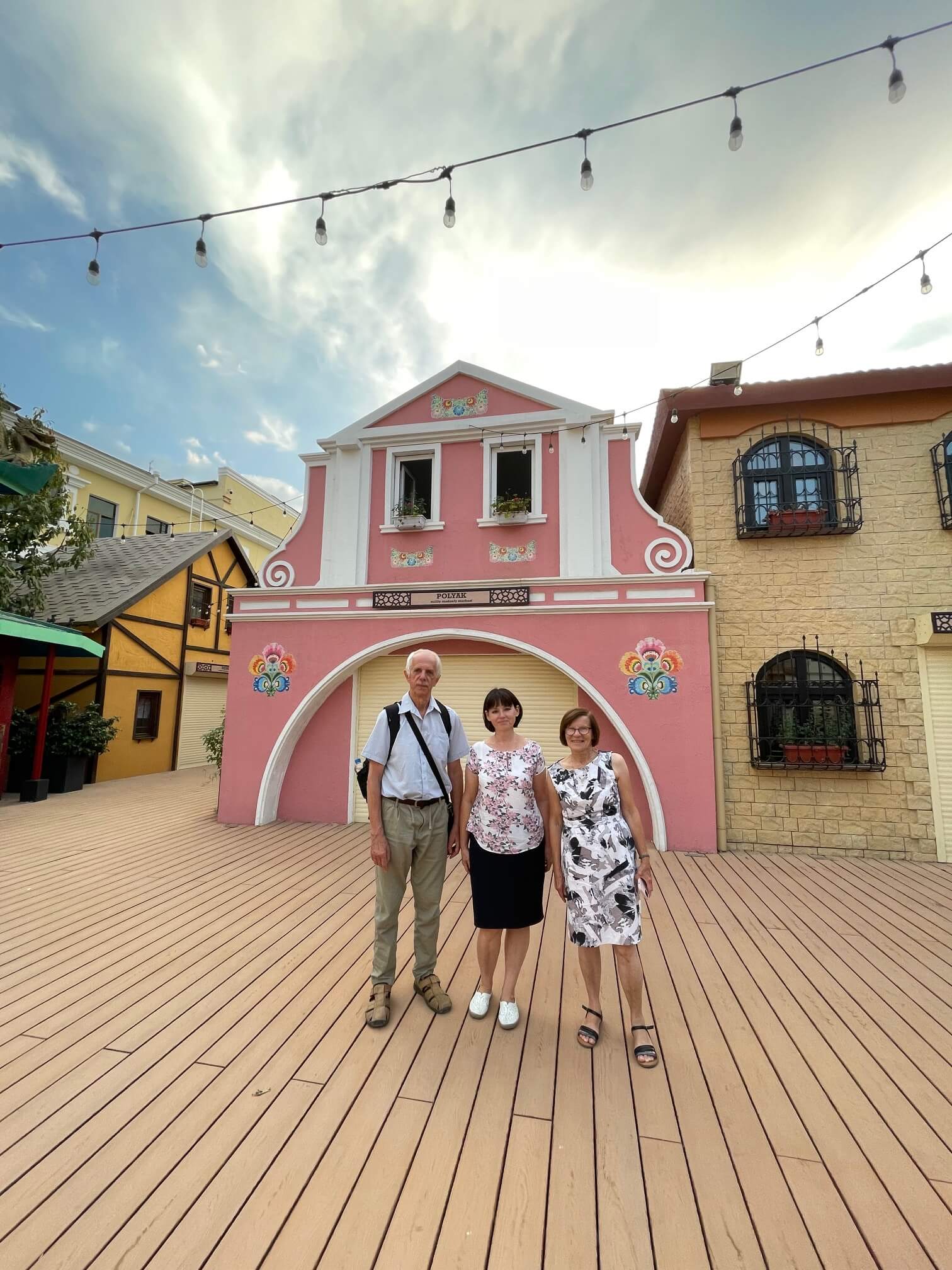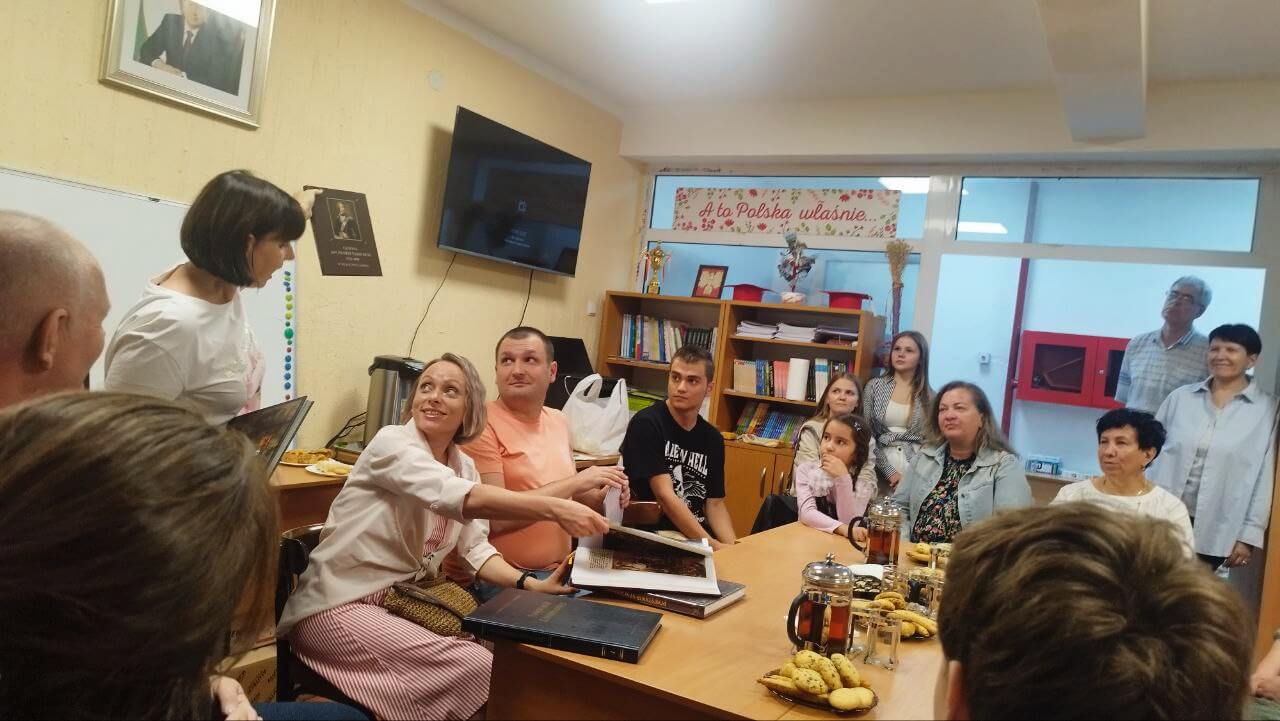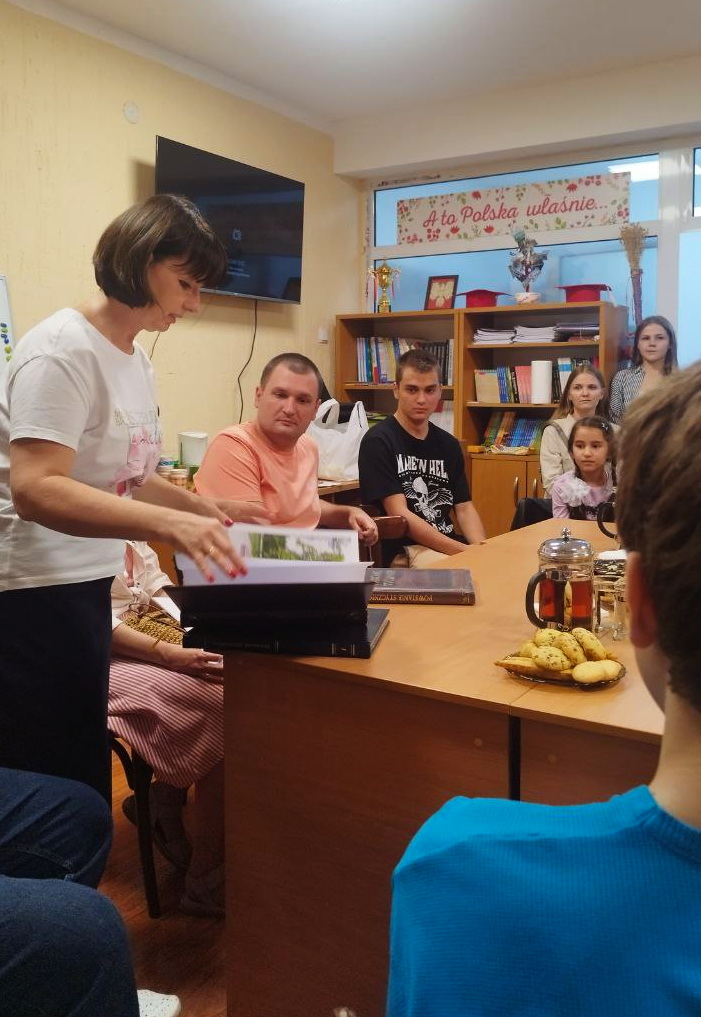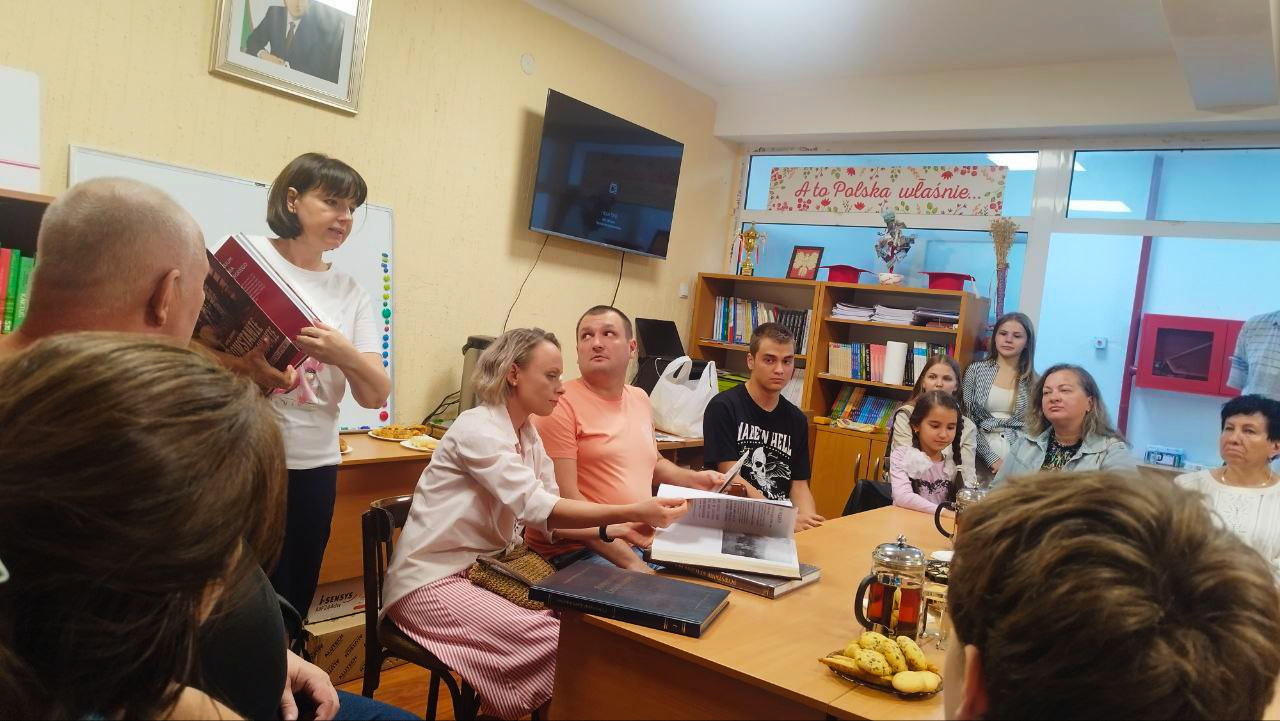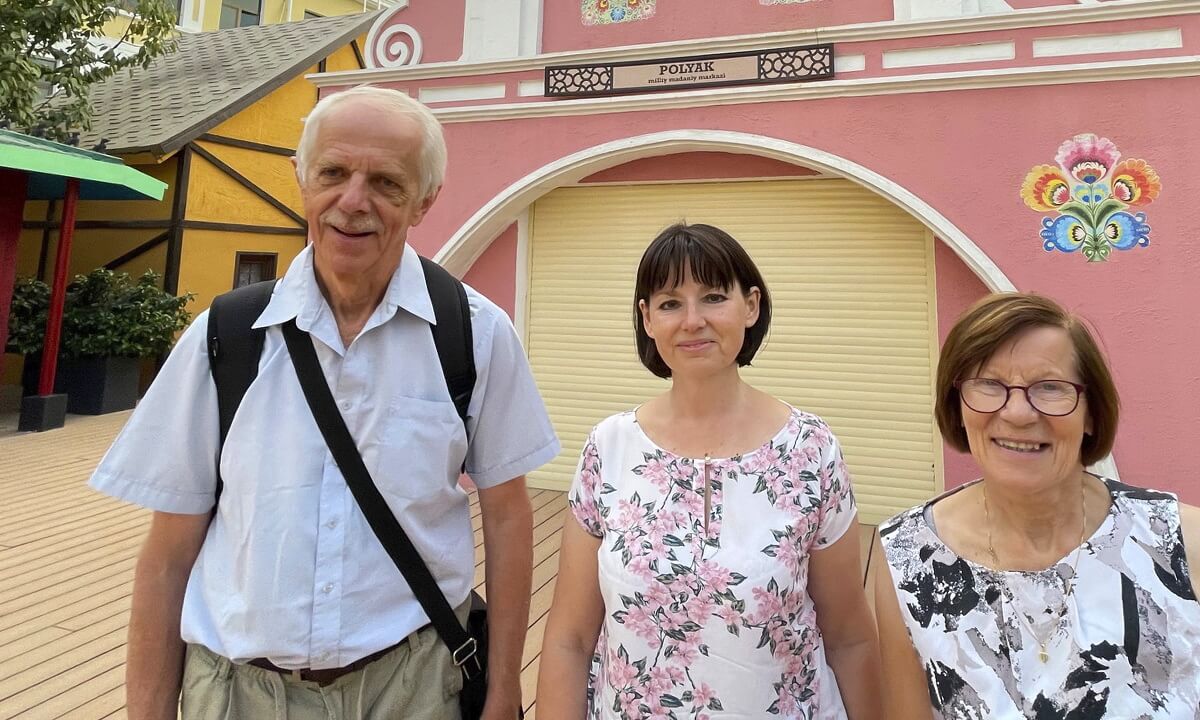
The official address of the "Polish Class" often receives letters with similar content: "Let me introduce myself... I'm planning to come to Uzbekistan..." Behind these simple words there is always a great desire to get to know the culture and traditions of such an ancient land, to meet Poles who live so far from their historical homeland. So this time – a letter: „Moje nazwisko Lech Wojciech Szajdak... We wrześniu przebywać będę na wyciecze w Uzbekistanie...” Then a long correspondence, phone calls and finally the long-awaited meeting.
As it turns out, our guest, Lech Wojciech Szajdak, is a professor, director of the Institute of Agricultural and Forest Environment of the Polish Academy of Sciences in Poznań, and also a renowned cultural figure. For his work, he wrote hundreds of articles and books and was awarded both for outstanding scientific achievements and for his contribution to the preservation of Polish cultural memory. Lech Wojciech Szajdak and his wife came to Uzbekistan as part of a tourist group.
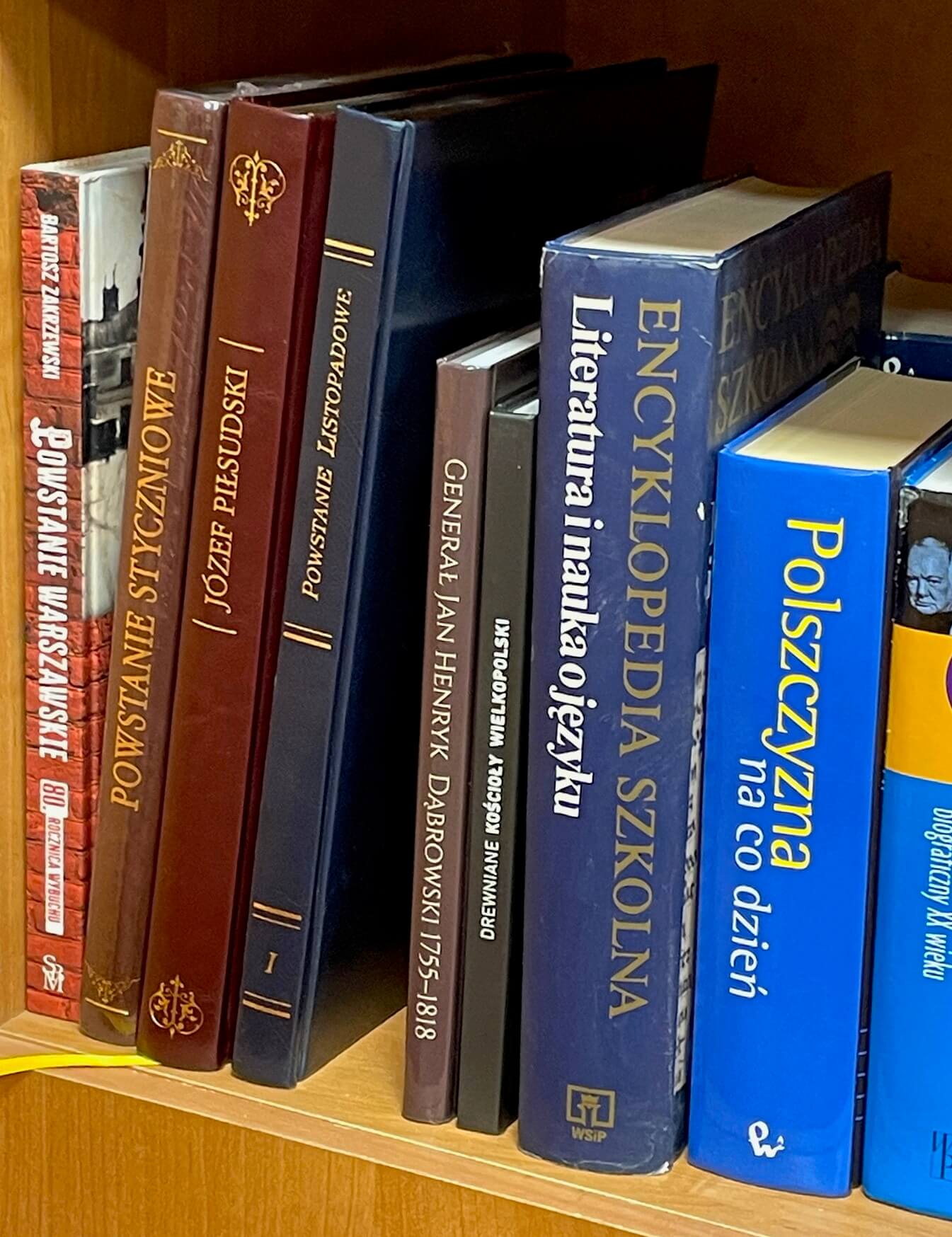
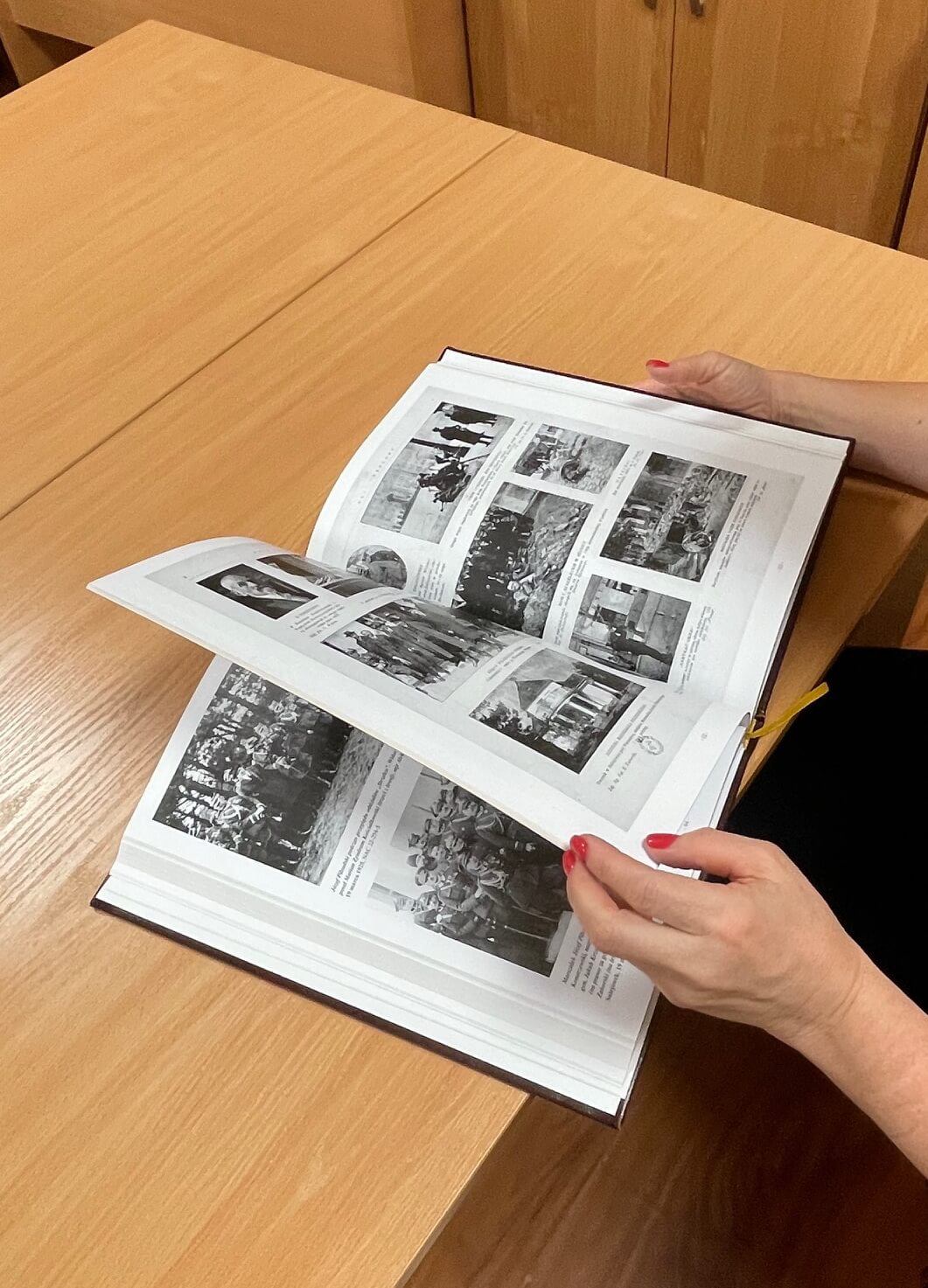
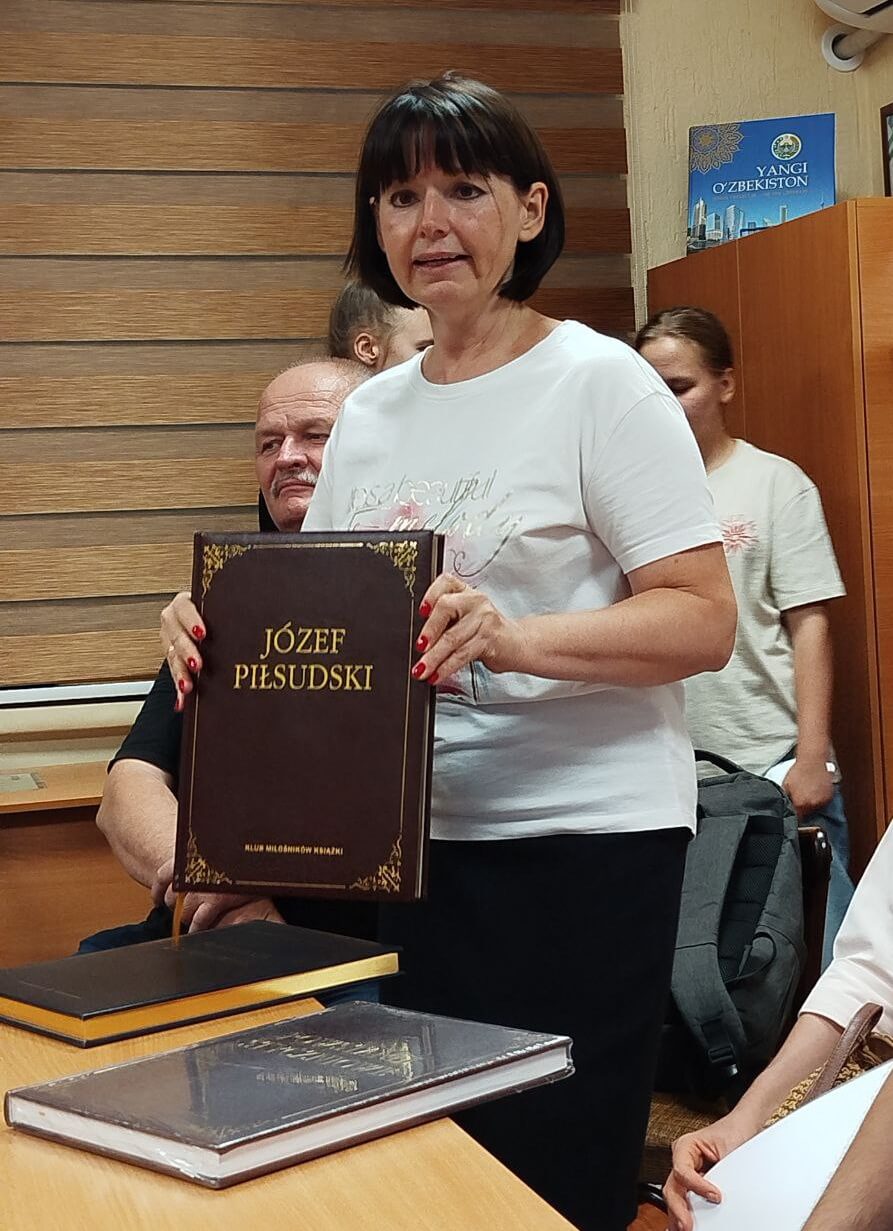
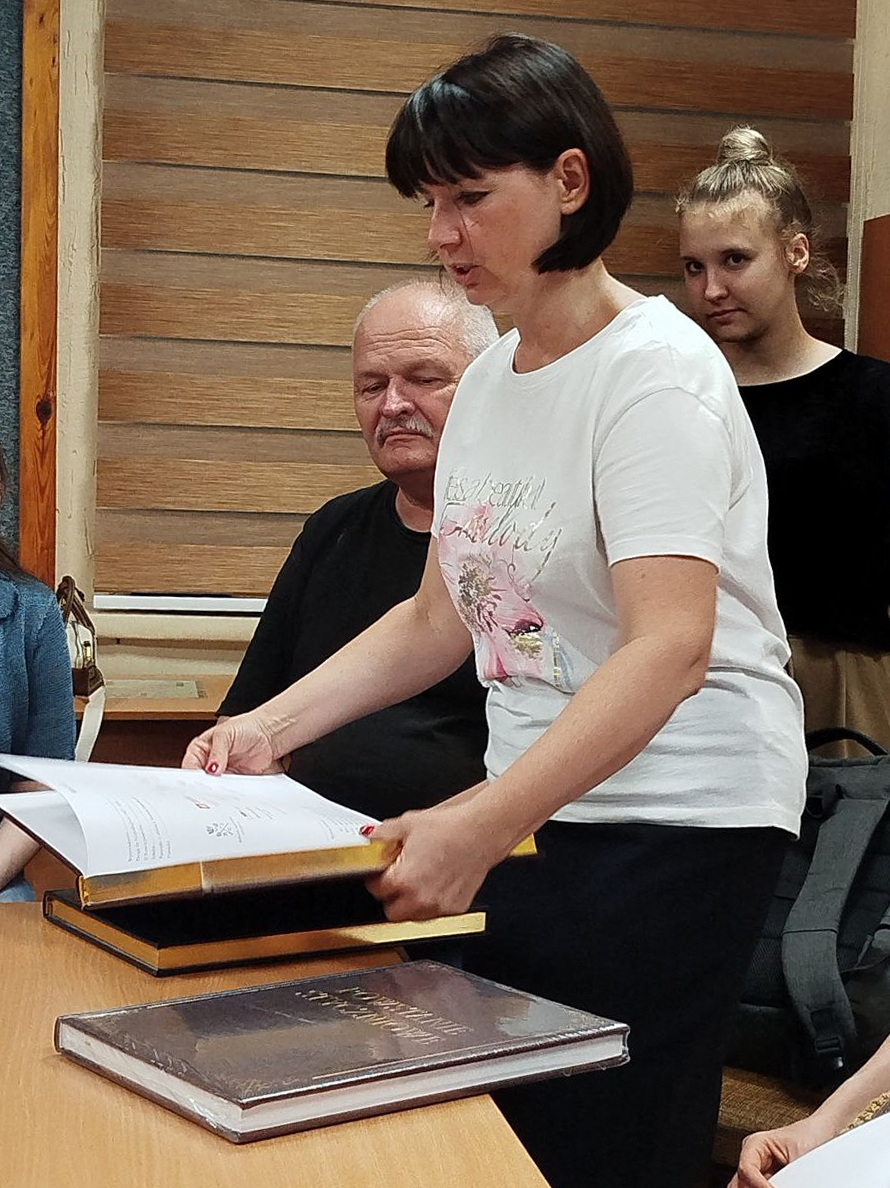
The guests did not arrive empty-handed. Unusual guests make for an unusual gift: published photo albums, a real find for anyone interested in Polish history. One is dedicated to the January Rebellion of 1863 (Powstanie Styczniowe), the second to the November Rebellion of 1830 (Powstanie Listopadowe), and the third tells the story of Józef Piłsudski – a man whose name every Pole knows and who played a key role in Poland gaining independence.
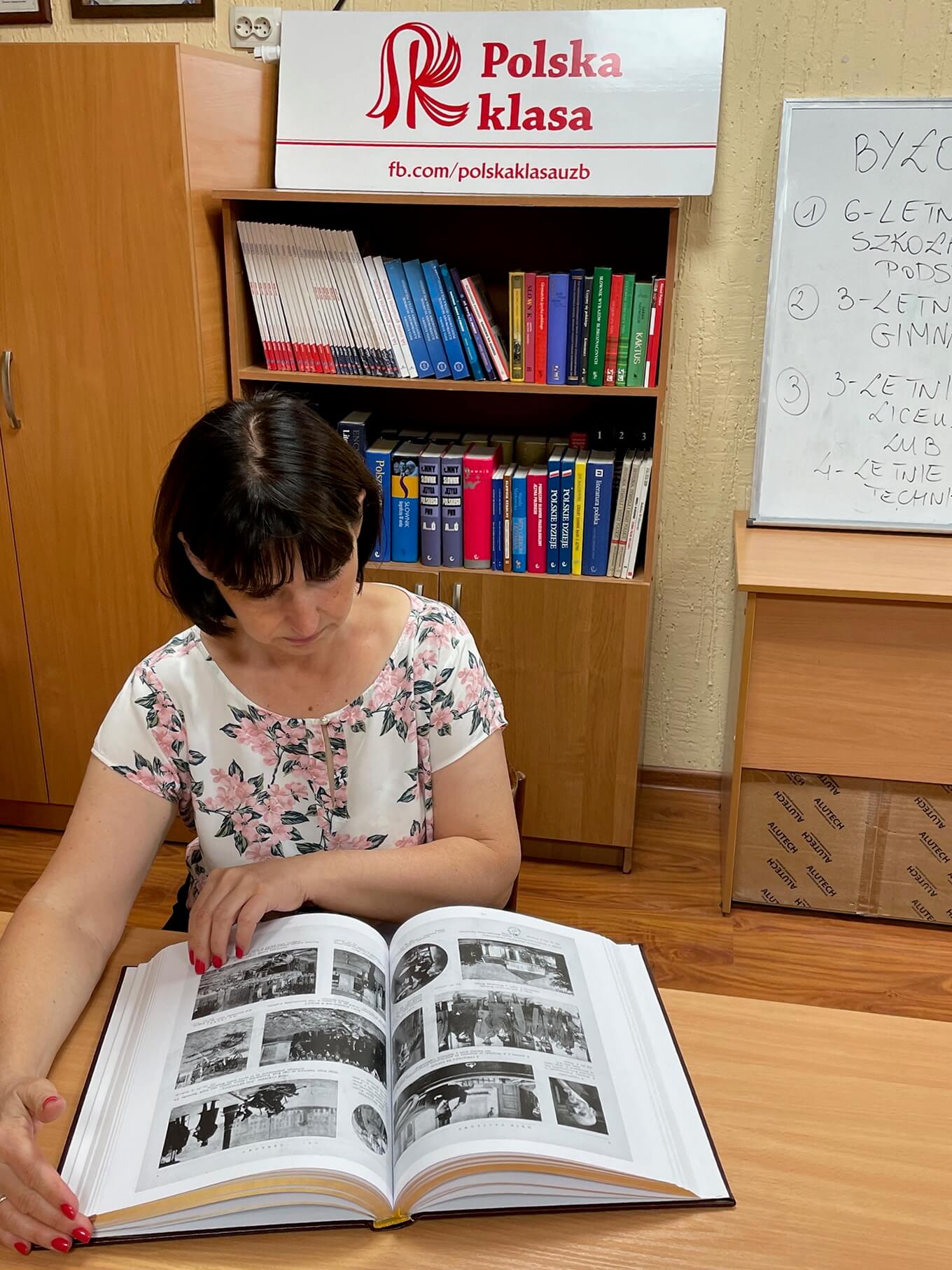
These are not just books – they are rare, beautifully designed albums, each of which is released in a limited edition of only 500 copies. All three editions are executed with great taste: the leather binding is decorated with gold embossing, and the photographs and illustrations, printed on glossy paper, seem to come to life, telling the reader about the events of those distant years.
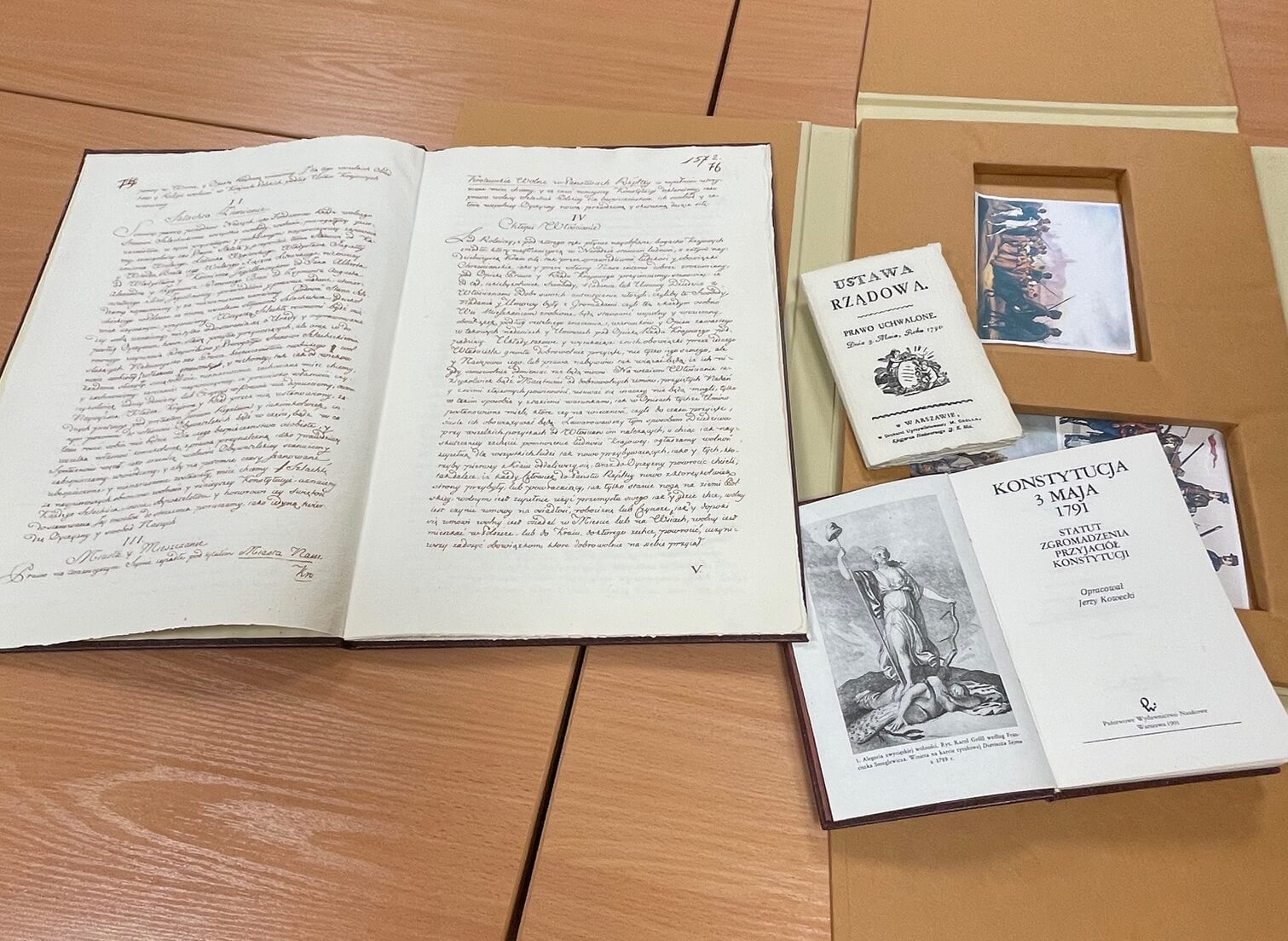
We, in turn, were able to surprise our guests by showing a unique gift edition of the Constitution of May 3, which is stored in the "Polish Class".
These historical albums will now take a worthy place in our library and will be an excellent aid in preparing for events dedicated to important pages of Polish history. For us, they are a warm reminder of the kind meeting that took place here in Uzbekistan.
And we hope that this meeting will serve as the beginning of a new page in the history of the life of the “Polish Class”.