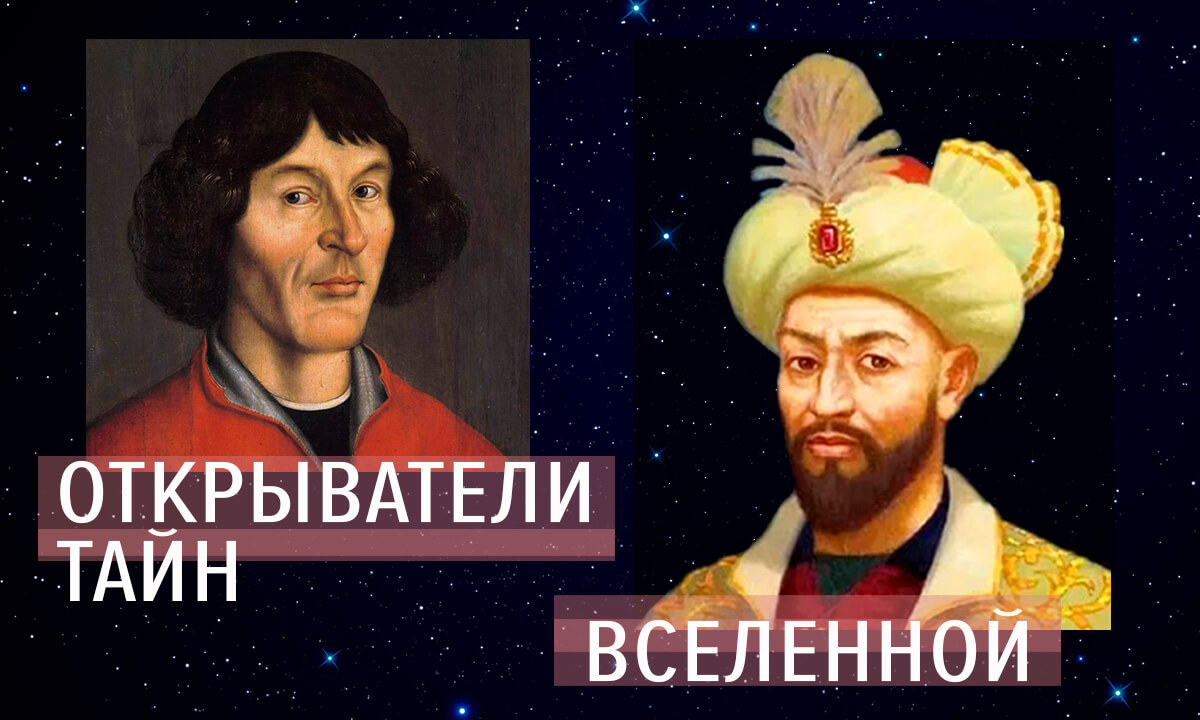
They lived in different parts of the world, on different continents, in the same era... One was raised in a palace, the other in a merchant's house; one ruled a state, the other was a priest. But both pondered the creation of the universe, attempting to unravel the mysteries of the universe.
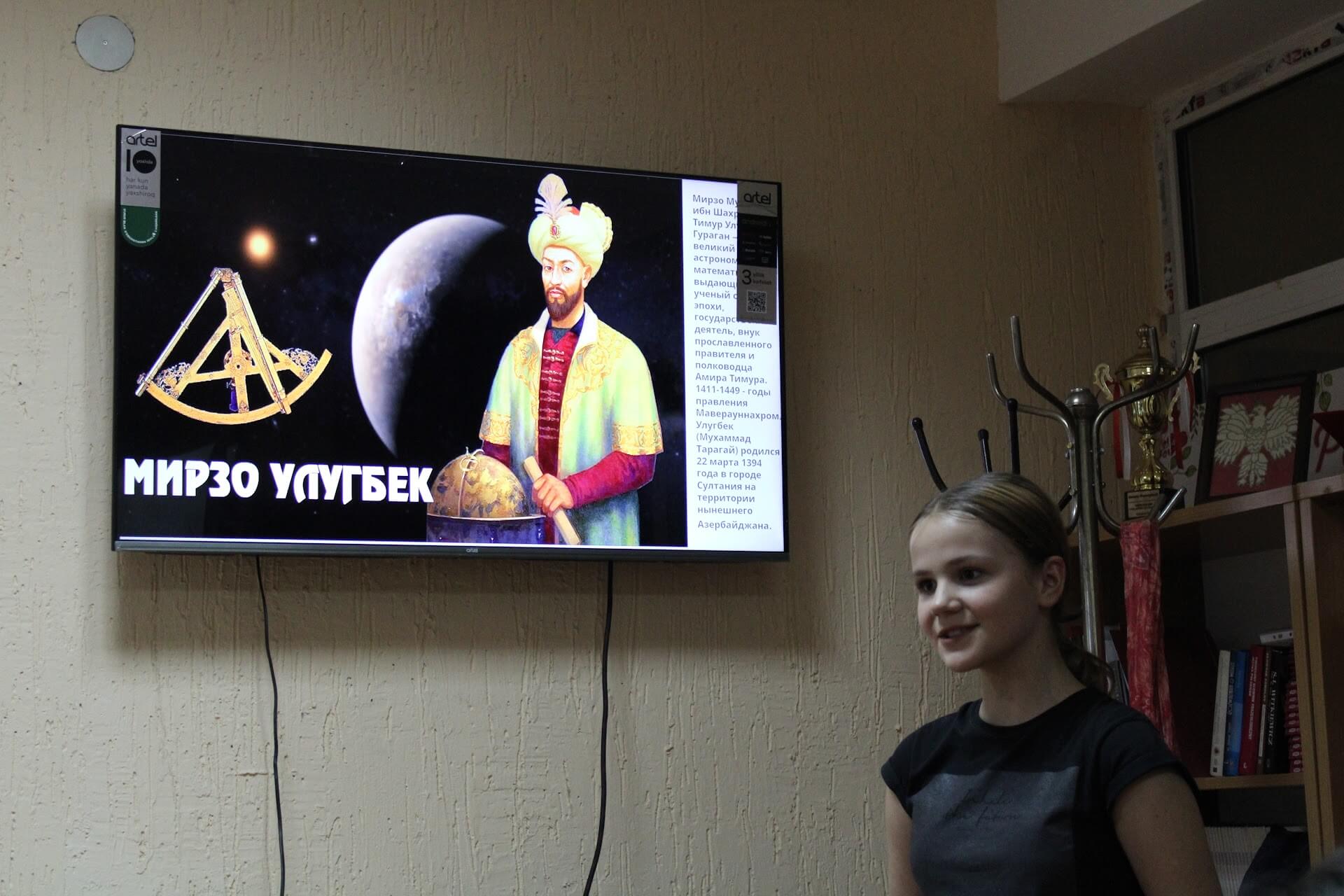
Mirza Muhammad ibn Shahrukh ibn Timur Ulugbek Guragan, a great astronomer and mathematician, an outstanding scientist of his era, a statesman, and the grandson of the renowned ruler and commander Amir Timur, was born in 1394 in the city of Sultaniya in what is now Azerbaijan.
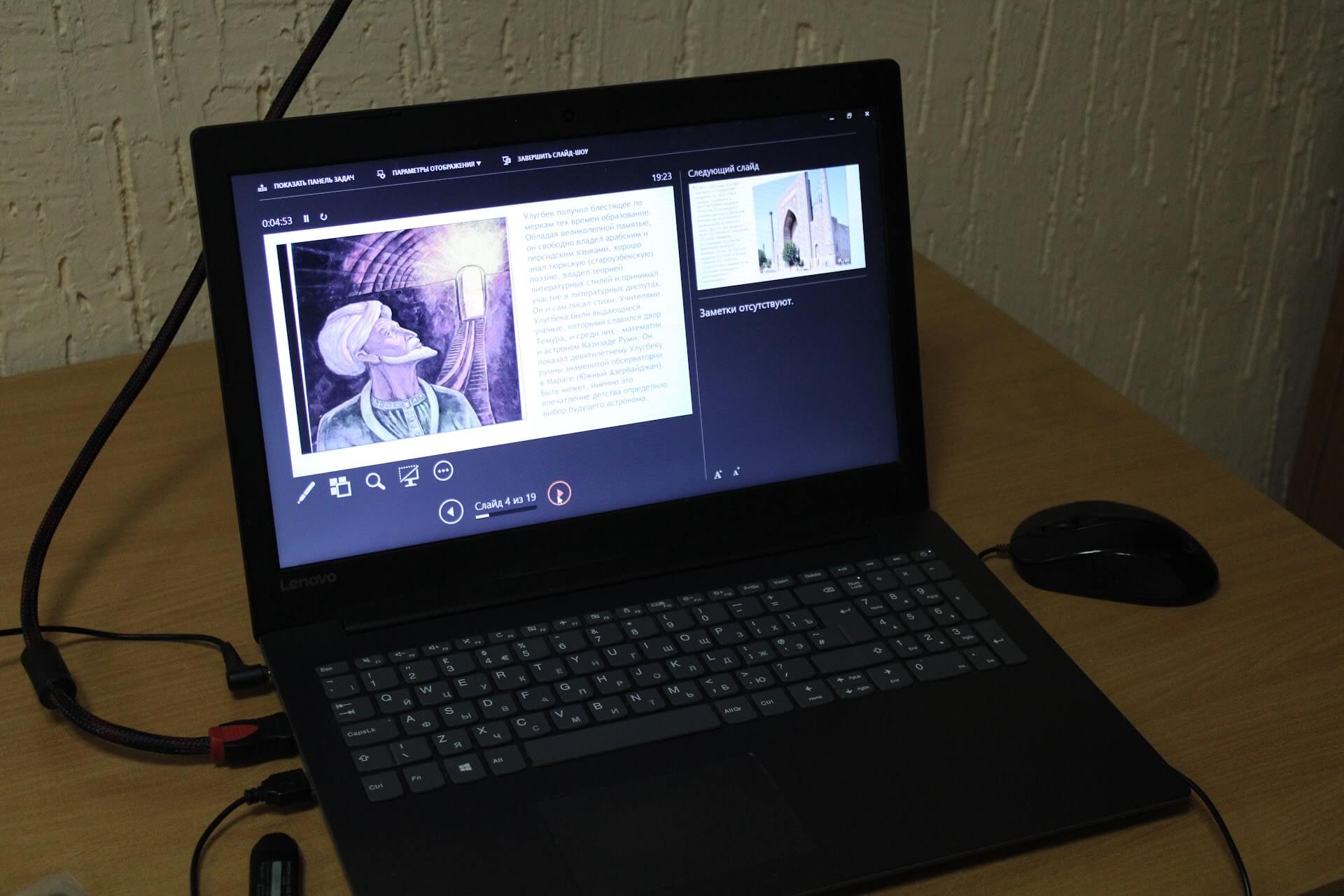
He received an excellent education for those times. He had an excellent memory, was fluent in Arabic and Persian, and was interested in natural sciences, the history of music, and poetry. At a very young age, after visiting the ruins of the famous observatory in Maragha, which existed until the mid-14th century and was the largest observatory of its time, Ulugbek became passionately interested in astronomy.
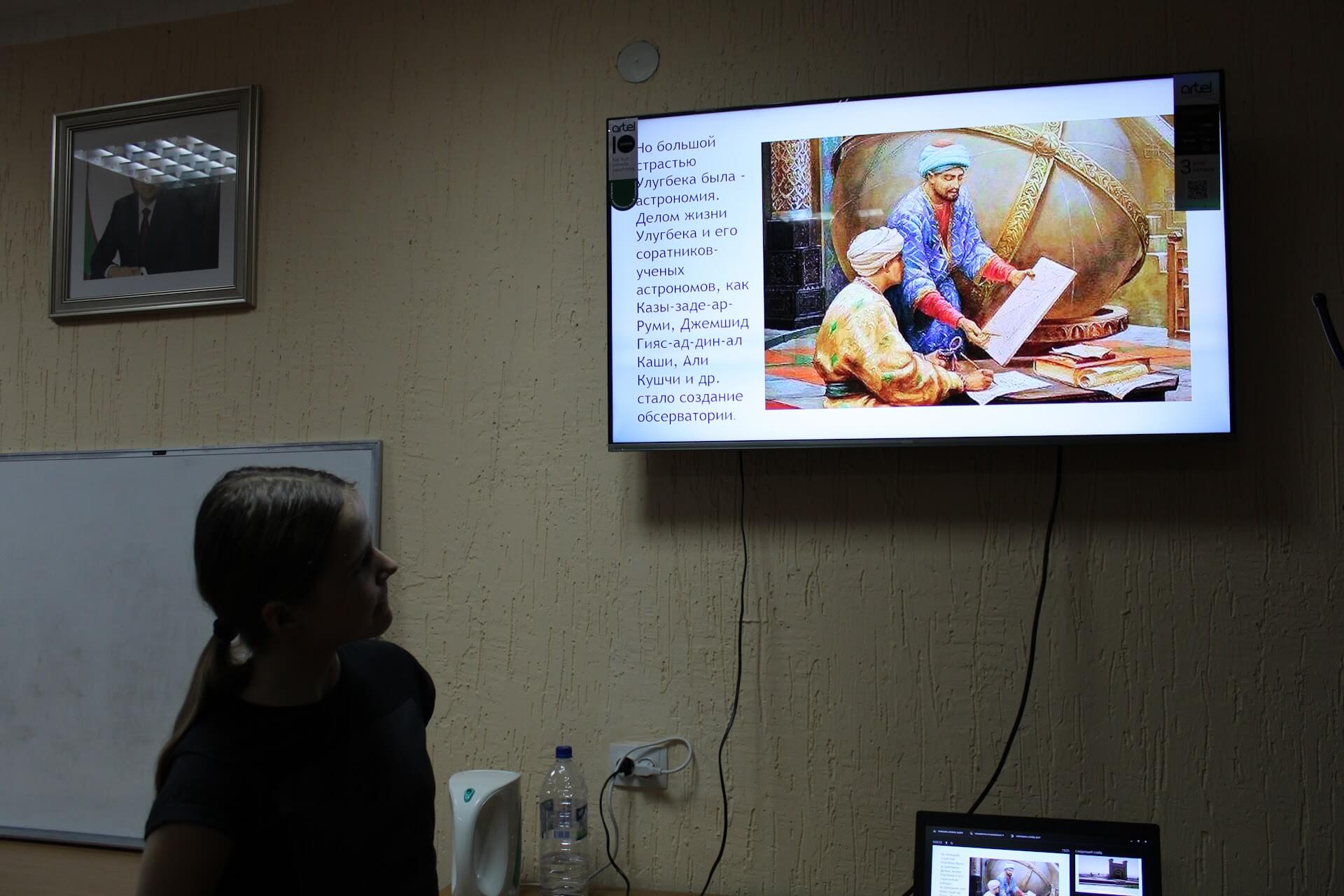
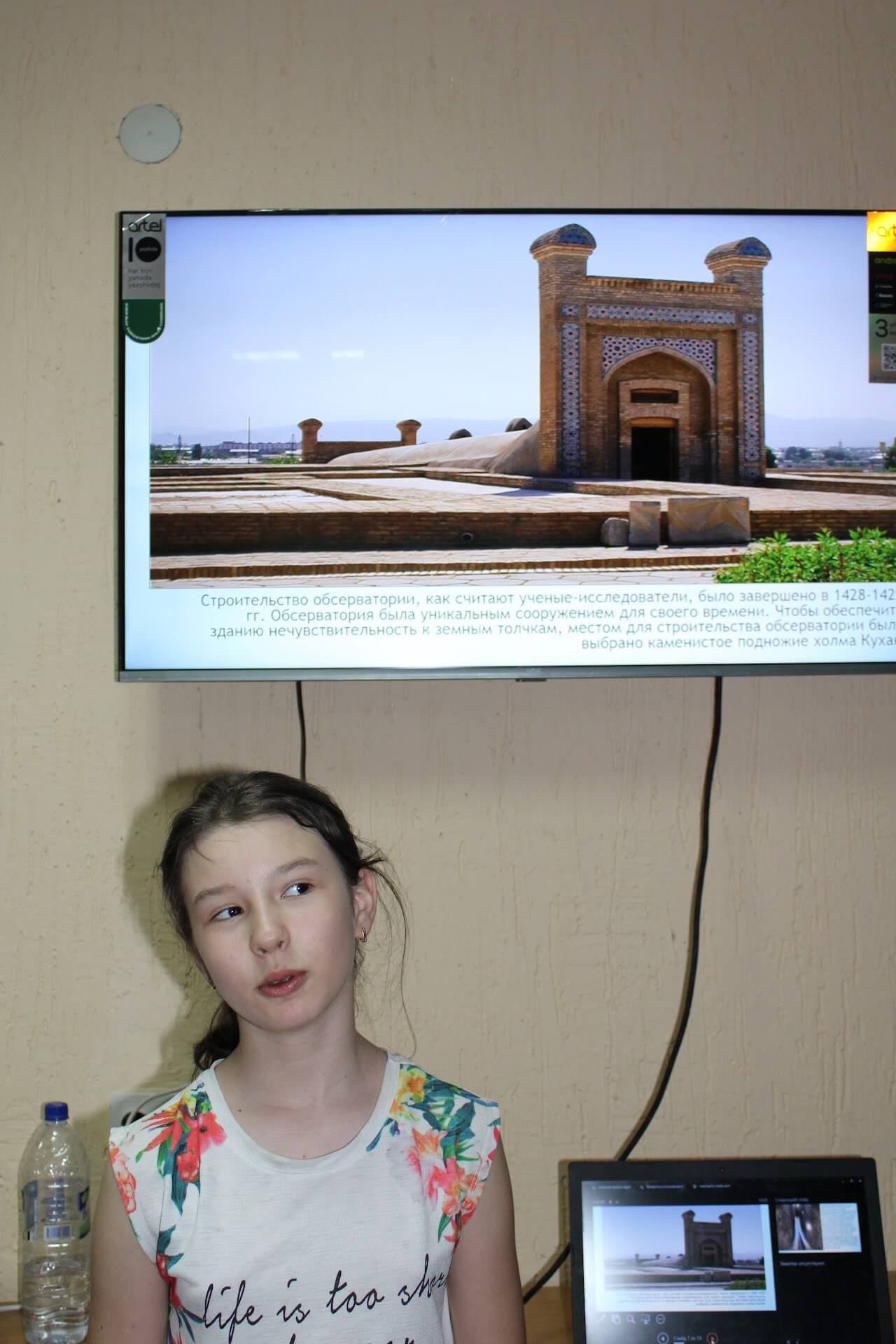
Years later, thanks to his extensive knowledge and the ruler's authority, Ulugbek was able to create the most well-equipped astronomical center of his time. The observatory was a unique structure for its time. It was a huge cylindrical tower, 30 m high and 48 m in diameter, which housed a massive goniometric sextant with a radius of 40 m and an arc of 60°. This instrument made it possible to measure the location of objects in the celestial sphere with record accuracy for that time. The error was no more than one minute of arc. To ensure the building's stability during earthquakes, the rocky foothills of Kuhak Hill were chosen as the construction site.
With unprecedented precision, Mirzo Ulugbek was able to calculate the length of the astronomical year: 365 days, 6 hours, 10 minutes, and 8 seconds, with an error of only 58 seconds compared to today's value.
But the ruler's scientific and educational activities ran counter to the dogmas of the Muslim clergy, and in 1449, Ulugbek was treacherously assassinated. His life's work – the astronomical observatory – was completely destroyed.
Fortunately, his astronomical works, including the "new astronomical tables" containing the theoretical foundations of astronomy, as well as the precise coordinates of more than 1,000 stars, were saved by his students.
Mirza Muhammad ibn Shahrukh ibn Timur Ulugbek Guragan was buried in the ancestral tomb of the Timurids – Gur-Emir in Samarkand.
Another great man who dedicated his life to science was the great Polish astronomer and mathematician Nicolaus Copernicus. The publication of his main work, “On the Revolutions of the Celestial Spheres,” which outlined his heliocentric system of the world, became the event from which historians date the first scientific revolution of the 16th – 18th centuries.
Nicolaus Copernicus was born on February 19, 1473, in Toruń, Poland, the fourth child of a merchant of German descent. His father died during the plague epidemic that was raging across Europe at the time. Several years later, Nikolai's mother also passed away, and his maternal uncle, who held a high position as a bishop in the hierarchy of the Catholic Church, took on the care of the boy. Nikolai received an excellent education, graduating from the Faculty of Arts at the University of Krakow, as well as the Faculty of Law at the University of Bologna, where he studied civil and ecclesiastical law.
It was here, in Bologna, that the young theologian managed to carry out his first independent astronomical observations and became convinced that Ptolemy’s theory, generally accepted and blessed by the church, was not as correct as it seemed. Then came years of study in Padua, where Copernicus studied medicine. And finally, Ferrara, where he received a doctorate in theology.
After Copernicus returned to his homeland, regardless of whether he occupied important positions in the church hierarchy or taught at the University of Krakow, he no longer abandoned his astronomical observations. For thirty years, Copernicus diligently formed and developed his idea of the heliocentric structure of the world, without entering into discussions, collecting evidence of his correctness. To an observer on Earth, it appears as if the Earth is stationary and the Sun moves around it. In fact, as Copernicus was the first to mathematically prove, the Earth moves around the Sun, completing a full orbit every year. Only when the great Polish scientist was dying did his friends bring him the first printed copy of his book, “On the Revolutions of the Celestial Spheres”, the main work of his life, in which the great scientist moved the center of the Universe from the Earth to the Sun, exerting a powerful influence on human thinking and worldview.
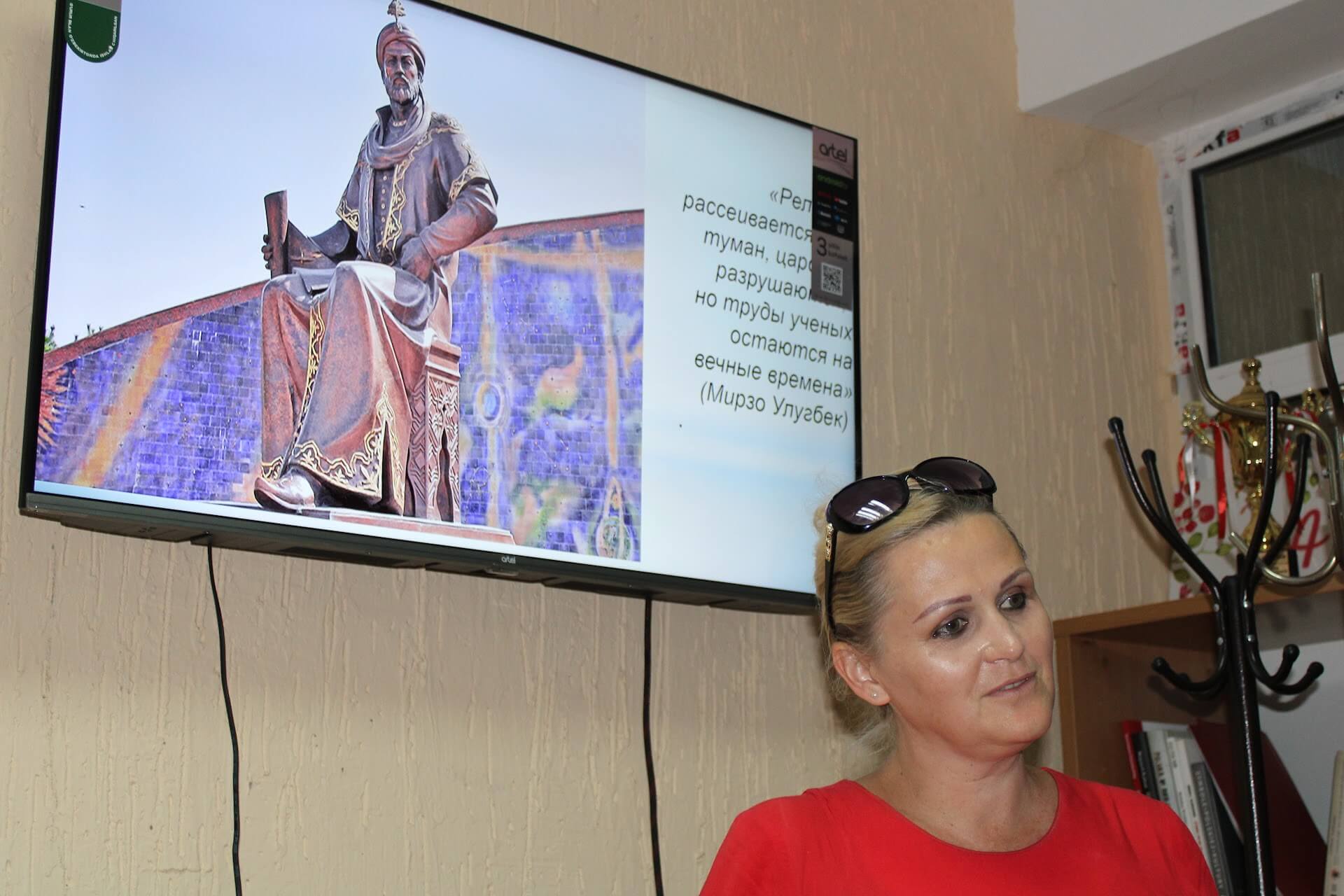
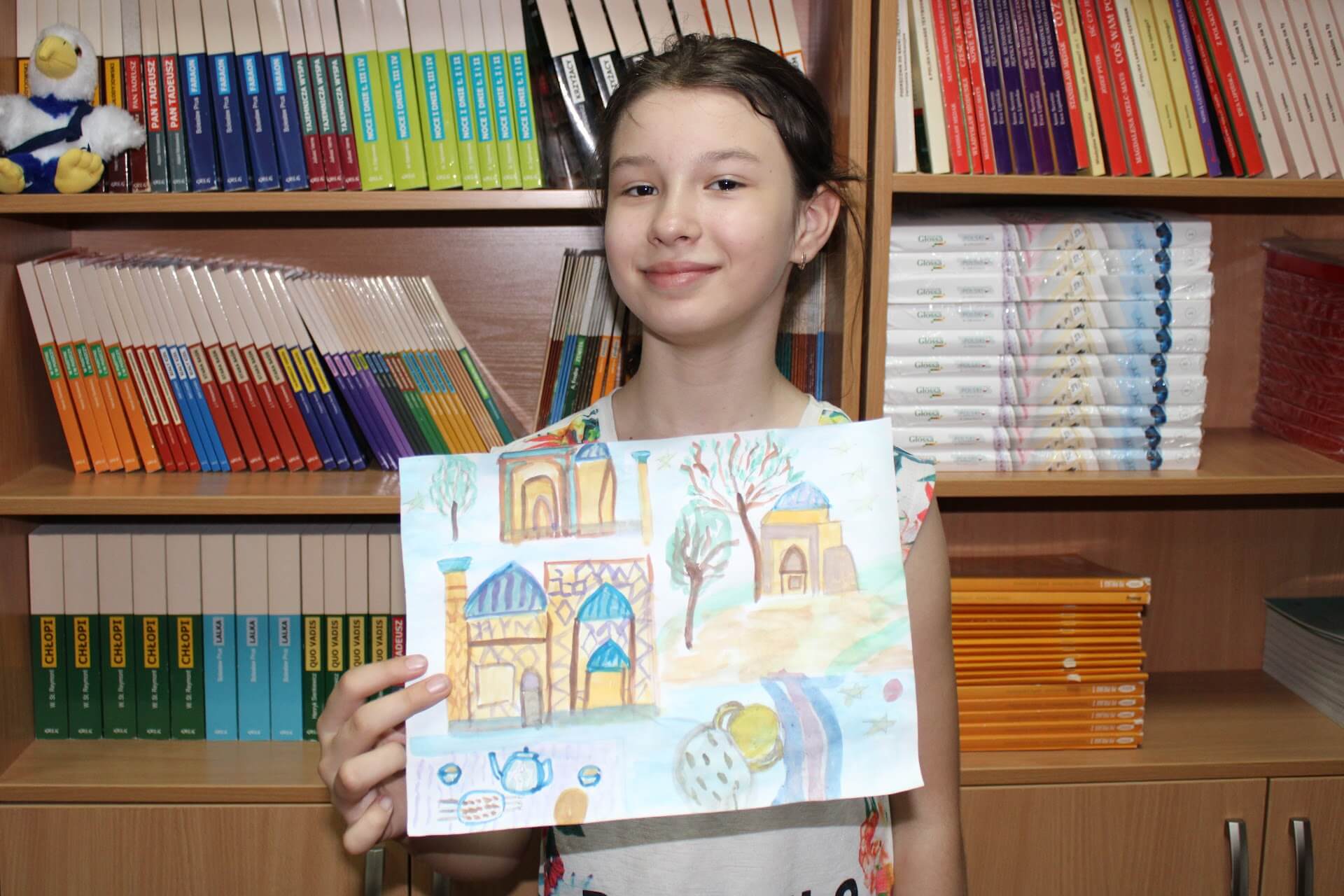
The next meeting in the "Polish Class" was dedicated to these outstanding scientists who made scientific discoveries that were revolutionary at the time.
And one cannot but agree with Copernicus’ statement:
«“Among the many and varied pursuits of science and art which nourish the human mind, I believe that the first and highest effort should be given to those which concern the most beautiful and most worthy of knowledge. These are the sciences that study the divine rotation of the world, the course of the luminaries, their sizes, distances, rising and setting, as well as the causes of other celestial phenomena and, finally, explain the entire form of the Universe. And what could be more beautiful than the vault of heaven, which contains everything beautiful!”»